
.png)


BRRRR Investing in Sarnia-Lambton: How to Build a Portfolio by Recycling Your Capital
If you've spent any time in real estate investing circles, you've probably heard the acronym BRRRR — Buy, Renovate, Rent, Refinance, Repeat. It sounds simple on paper, and the core concept genuinely is. But the difference between investors who execute it well and those who get stuck comes down to discipline at every single step. Here's how the strategy works and why Sarnia-Lambton is one of the better markets in Ontario to run it.
What Makes BRRRR Work in the First Place
The fundamental idea behind BRRRR is capital recycling. Instead of buying a property, tying up your down payment indefinitely, and waiting decades for appreciation to do the work, you force equity through a strategic renovation, refinance based on the improved value, pull your capital back out, and use it to do the whole thing again. Done well, a single pool of capital can fund multiple acquisitions over a relatively short period. Done poorly, it ties up your money in a property that doesn't appraise where you need it to and leaves you no better off than a conventional purchase.
Sarnia-Lambton suits this strategy well for a few reasons. Entry prices are still low enough that finding properties below market value is a realistic pursuit rather than a fantasy. The renovation costs required to meaningfully move a property's appraised value are manageable compared to larger urban centres. And rental demand is steady enough that getting a property tenanted quickly after renovation — which matters for the refinance timeline — is achievable in most pockets of the market.
Step One: Buying Below Market Value
This is where the entire strategy either begins correctly or falls apart before you've swung a hammer. BRRRR only works if the numbers make sense from the moment of purchase, and that requires buying at a price that leaves genuine room between what you paid, what the renovation will cost, and what the property will be worth when the work is done.
The after-repair value — what the property will appraise for once renovated — is the number you need to know before you make an offer, not after. Working backward from that figure, subtracting your estimated renovation budget with a realistic contingency built in, and then determining the maximum purchase price that still delivers the outcome you need is how disciplined BRRRR investors approach every deal. If the asking price doesn't fit that math, you walk away. The market will produce another opportunity.
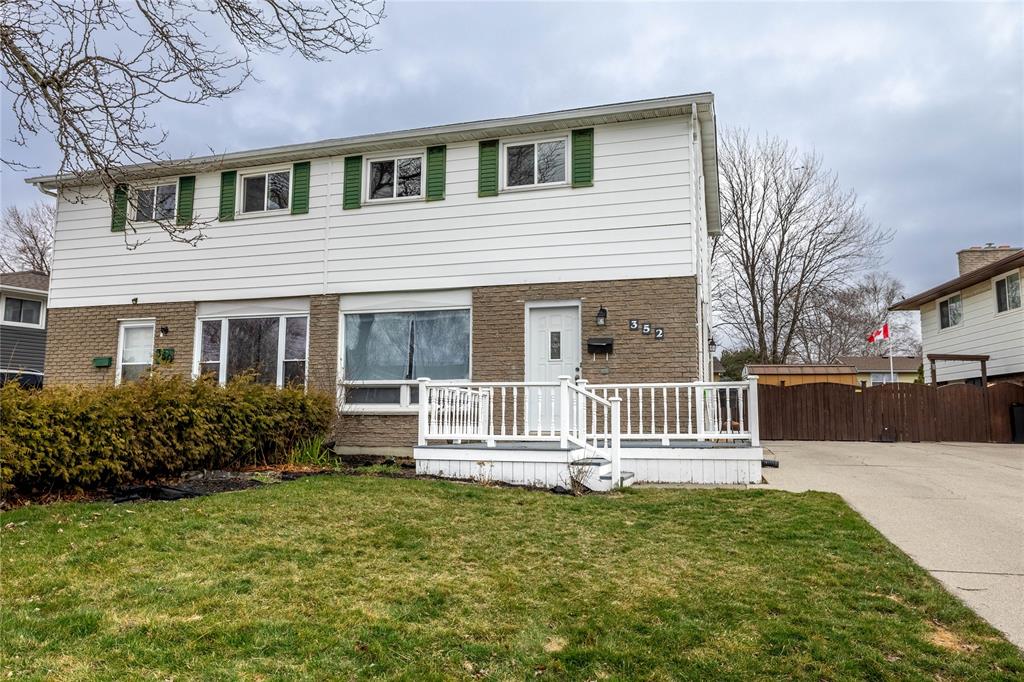
In Sarnia-Lambton, properties that fit this profile tend to be older housing stock in solid rental neighbourhoods that need cosmetic work rather than structural intervention. Coronation Park, parts of Central Sarnia, and certain pockets of South Sarnia have historically produced deals that work for this strategy. Location still matters enormously — buying below market value in an area with weak rental demand doesn't help you, because you still need a tenant at the end of it.
Step Two: Strategic Renovations Only
This is where a lot of investors go wrong, and it's worth being direct about it. The goal of a BRRRR renovation is not to create your dream property. It is to add appraised value efficiently and attract a quality tenant reliably. Every dollar you spend needs to be evaluated against the return it produces, and the honest truth is that some renovations deliver strong appraisal lift while others barely move the needle.
Kitchens and bathrooms are consistently the highest-return areas to invest in, even when the work is relatively modest. Updated cabinets, new countertops, fresh fixtures, and modern lighting in a kitchen can transform how an appraiser and a tenant perceive an entire property. Bathrooms follow the same logic. Flooring throughout the main living areas makes an enormous visual impact for a reasonable cost — pulling dated carpet and replacing it with a clean luxury vinyl plank is one of the best dollar-for-dollar renovation moves available. Fresh paint, updated lighting, and exterior curb appeal round out the package.
What you should not do is over-renovate. High-end finishes in a mid-range rental neighbourhood do not return their cost in appraised value, and they don't help you attract a better tenant in a price bracket that isn't asking for them. The renovation should be clean, functional, and appropriate for the neighbourhood — nothing more, nothing less. Keeping that discipline is what separates investors who recycle capital effectively from those who sink it into properties and wonder why the numbers stopped working.
Step Three: Refinancing and Recycling Your Capital
Once the renovation is complete and the property is tenanted, you move into the refinance phase — and this is where the strategy pays off. With a renovated, income-producing property, you approach a lender for a new appraisal. If the work was purchased and executed correctly, the appraised value will be meaningfully higher than your all-in cost. The lender refinances based on that new value, typically up to 80 percent of the appraised amount on an investment property, and the proceeds are used to pay out your original financing and any renovation costs. Whatever is left is your recycled capital — money that goes back into your account and back into the next deal.
The goal in a well-executed BRRRR is to get as close to a full capital recycle as possible, meaning you pull out as much as you put in. Not every deal achieves that perfectly, and it's important to go in with realistic expectations rather than optimistic projections. But even a partial recycle — getting 70 or 80 percent of your capital back — leaves you holding a cash-flowing, appreciating asset for a fraction of what a conventional purchase would have cost you to hold.
That's how investors build portfolios in markets like Sarnia-Lambton without needing a new pile of cash for every single acquisition. The same capital does more work, more than once, and the portfolio grows faster than the bank account alone could ever support.
Is BRRRR the Right Strategy for You?
BRRRR is not a beginner strategy in the sense that it requires comfort with renovation management, lender relationships, and the discipline to buy on math rather than emotion. But it's also not as complicated as it can be made to sound. Investors who approach it methodically, build the right team around them, and maintain discipline at every step have used this strategy very effectively in Sarnia-Lambton to build real portfolios from relatively modest starting capital.
If you want to talk through whether BRRRR makes sense for your situation, identify properties in this market that fit the model, or just run the numbers on something you've already got your eye on, reach out at homeswithkasey.com. I'm Kasey Hughson, a REALTOR® with Royal LePage Key Realty, and I invest locally myself — so this is a conversation I genuinely enjoy having.

.jpg)